Cauda Equina Syndrome is a medical emergency
Know the red flags. Get to A&E.
Cauda Equina Syndrome can cause permanent disability within hours. If you spot the warning signs, go straight to A&E — don’t wait for a GP appointment.
By patients, for patients — a UK community supporting people affected by CES.


Founded by survivors of Cauda Equina Syndrome.
NICE guideline NG59
Know the red flags
These are the red flag symptoms of Cauda Equina Syndrome as defined by NICE NG59. Even one of them needs urgent A&E assessment. Full guidance & A&E script →
Any of these symptoms? Go straight to A&E.
Do not wait for a GP appointment. Tell triage you are concerned about Cauda Equina Syndrome and ask for an urgent MRI.
Saddle anaesthesia or paraesthesia
Numbness, tingling or altered feeling in the inner thighs, buttocks, perineum or genitals.
Bladder dysfunction
Difficulty starting urination, inability to pass urine, loss of the urge to go, or new leakage.
Bowel dysfunction
New faecal incontinence, loss of sensation when passing stool, or loss of anal tone.
Sexual dysfunction
Sudden loss of genital sensation, erectile dysfunction or inability to ejaculate.
Bilateral sciatica or leg weakness
Severe pain, weakness or altered sensation in both legs — or rapidly progressing in one.
Severe progressive low back pain
Especially when it occurs alongside any of the symptoms above.
This list reflects the clinically recognised CES red flags. Other symptoms (e.g. general back pain alone) are not red flags on their own — but combined with the above, they require urgent assessment.
What to say in A&E
Use these words at triage. They reference NICE guideline NG59, which sets out how CES should be assessed urgently.
I am worried I may have Cauda Equina Syndrome. I have new red flag symptoms — please assess me urgently in line with NICE guideline NG59. My symptoms include: [describe yours, e.g. numbness in the saddle area, loss of bladder or bowel control, bilateral leg pain or weakness, or sexual dysfunction]. I understand I need an urgent MRI of the lumbar spine.

“By patients. For patients. Standing with you.”
Our story
Built by people who’ve lived it.
Cauda Equina Syndrome (CES) is a rare but devastating condition caused by compression of the nerves at the base of the spine. Without rapid diagnosis and surgery, it can lead to permanent paralysis, incontinence and life-changing disability.
We know — because we’ve been there. Our founders are CES survivors whose lives were changed forever by delays that shouldn’t have happened. Hours matter. Awareness matters.
Cauda Equina Support & Advocacy UK exists to make sure no patient, family or clinician misses the signs — and that nobody has to face this alone.
How we help
Support, every step of the way.
From the moment things go wrong, through diagnosis and recovery, into the long journey that follows — we’re here.
Peer Support
Connect with others who truly understand. One-to-one and group support from fellow CES survivors.
Find a peerFamily Support
CES affects whole families. Resources, listening ears and guidance for partners, parents and carers.
Get helpAdvocacy
We stand with patients navigating NHS pathways, complaints, and the long road to recognition.
Speak to usAwareness Campaigns
Helping the public, GPs and emergency teams recognise the red flags before it's too late.
Get involvedEducational Resources
Patient guides, posters and training materials, written with clinicians and reviewed by survivors.
Browse hubFuture Support Line
We're building a dedicated CES support line. Register your interest and we'll keep you posted.
Coming soonCommunity Events
Meet-ups, walks, awareness days and our annual gala. Real connection, in person and online.
See eventsCommunity
You are not alone.
CES can feel isolating. It doesn’t have to. Real stories from real people, and a community being built — by us, for us.

I thought I was going mad. Finding people who actually understood what I'd been through changed everything.
Nobody warned us how hard the months after surgery would be. This community held us up when nothing else did.
Sharing my story was terrifying. But knowing it might stop one more person being missed — that's why we're here.
Coming soon: a private space, just for our community.
We’re building safe, moderated spaces where members can share, ask, and support each other without judgement.
- Private community forum
- Member accounts & messaging
- Safe, moderated support spaces
Our first Community Support Hub — Liverpool.
In-person community for everyone affected by CES — patients, partners, parents and carers. A safe, welcoming space where nobody has to face their journey alone.
Register your interestLiverpool
July 2026
Fundraising & events
An evening to change lives.
Each year we gather survivors, families, clinicians and supporters for an evening of stories, hope, and raising vital funds for CES awareness.

Saturday, 14 November 2026
Drinks reception 7:00pm · Dinner & speeches 8:00pm.
Tickets opening soon
Individual seats and small group tables. Register your interest and we’ll be in touch first.
Sponsors & auction
If you’d like to sponsor the evening or donate a lot for the auction, please get in touch.
Donate
Every pound helps someone keep their mobility, dignity and life.
Your donation funds awareness materials, peer support, and advocacy work that gets CES recognised before it’s too late.
Awareness leaflets for a GP surgery
Print life-saving posters for hospitals
Support a peer-mentoring session
Fund a community workshop
Secure donations handled by GoFundMe. Opens in a new tab.
Education hub
Resources for patients, families & clinicians.
We’re building a free library of awareness and training materials — co-created with NHS clinicians and reviewed by survivors. In the meantime, our written guides are live now:
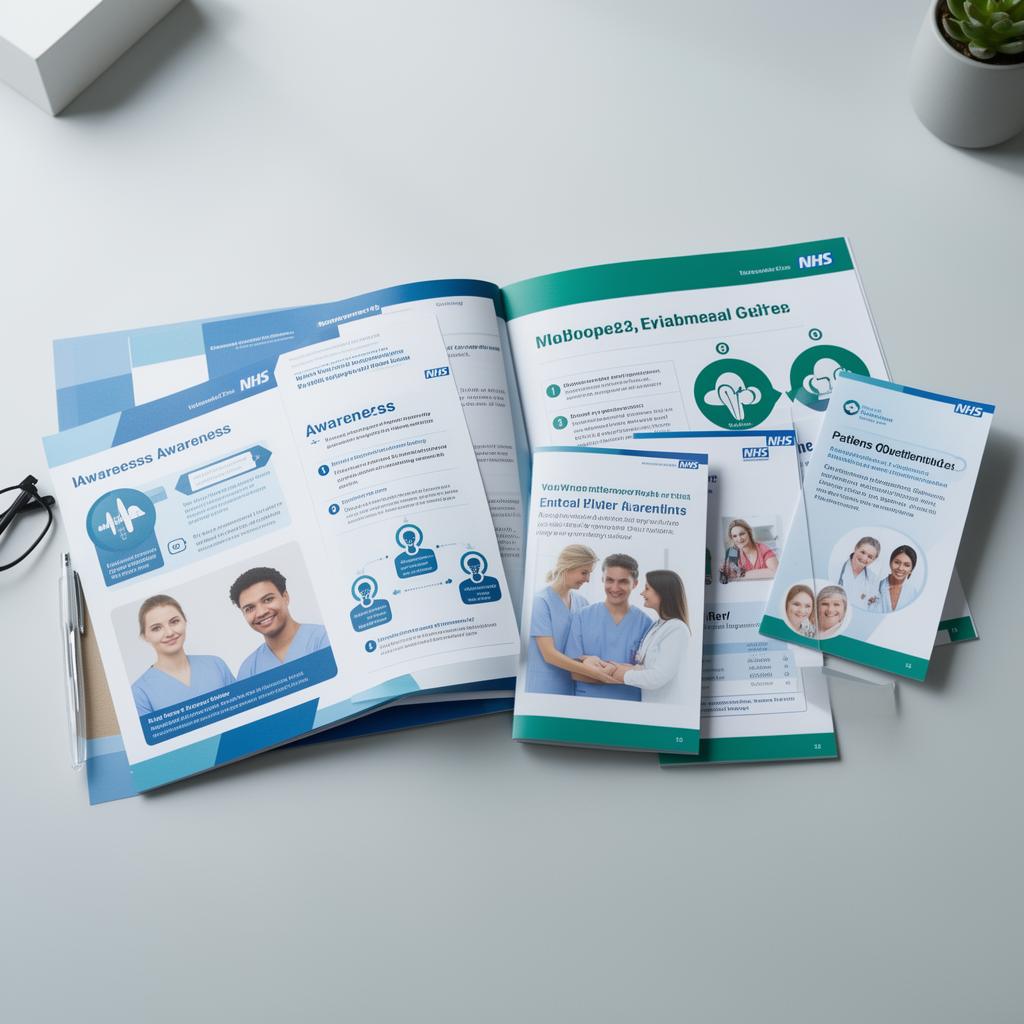
Patient guides
Plain-English booklets explaining diagnosis, surgery and recovery.
GP surgery posters
Waiting-room posters that help patients spot the red flags.
NHS resources
Materials co-developed with NHS clinicians and patient groups.
University training
Teaching packs for medical, nursing and physio students.
Awareness packs
Run your own local awareness day with our printable kit.
Hospital A&E posters
Triage-friendly visual aids for emergency departments.
Get in touch
We’re here. Reach out.
Whether you need support, want to share your story, or are looking to partner with us — we’d love to hear from you.
Stay in the loop
Awareness updates, campaigns and event news. No spam — promise.